
 He nevertheless expressed the Federal Government's willingness to consider alternative proposals, provided their proponents could demonstrate financial sustainability.
According to him, anyone advocating the return of the subsidy must clearly explain its total cost, identify a sustainable source of funding and specify the pump price Nigerians would ultimately pay.
The minister assured that the government remained open to constructive engagement with individuals and groups capable of presenting credible economic calculations to support their proposals.
The renewed defence of subsidy removal comes more than three years after President Bola Tinubu announced the termination of the policy, a decision that continues to generate debate amid concerns over the rising cost of living and transportation across Nigeria.
He nevertheless expressed the Federal Government's willingness to consider alternative proposals, provided their proponents could demonstrate financial sustainability.
According to him, anyone advocating the return of the subsidy must clearly explain its total cost, identify a sustainable source of funding and specify the pump price Nigerians would ultimately pay.
The minister assured that the government remained open to constructive engagement with individuals and groups capable of presenting credible economic calculations to support their proposals.
The renewed defence of subsidy removal comes more than three years after President Bola Tinubu announced the termination of the policy, a decision that continues to generate debate amid concerns over the rising cost of living and transportation across Nigeria.The Federal Government has reiterated its opposition to reinstating the petrol subsidy, warning that such a move could trigger severe economic consequences, including a rise in petrol prices to at least ₦2,000 per litre and a depreciation of the naira to nearly ₦3,000 against the US dollar.
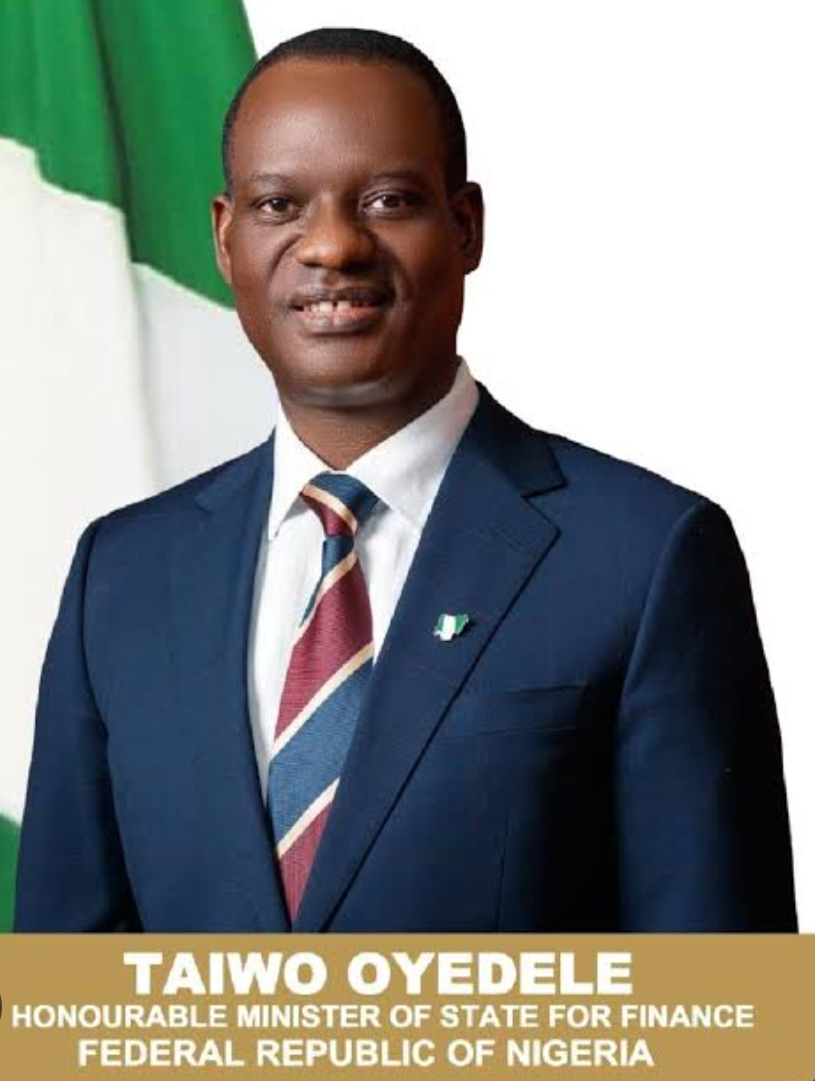
The Minister of Finance and Coordinating Minister of the Economy, Taiwo Oyedele, issued the warning on Thursday during a press briefing in Abuja, where he addressed concerns over rising fuel prices and renewed calls for the restoration of the subsidy.
According to the minister, reintroducing the subsidy would place enormous pressure on government finances, weaken investor confidence and potentially reverse recent improvements in Nigeria's sovereign credit ratings.
He explained that declining government revenue could lead to credit downgrades, higher borrowing costs, capital flight, falling foreign reserves and further depreciation of the naira.
Oyedele warned that the exchange rate could approach ₦3,000 to the dollar within months, potentially pushing the price of supposedly subsidised petrol to at least ₦2,000 per litre, significantly higher than current pump prices.
He further argued that bringing back the subsidy would undermine progress made in controlling inflation and could jeopardise the Central Bank of Nigeria's efforts to reduce interest rates.
The minister also highlighted the financial burden associated with subsidy payments, noting that such expenditures must ultimately be funded through increased taxation, delayed payment of salaries and pensions, additional borrowing or money creation.
He recalled that more than ₦30 trillion had previously been injected into the economy through monetary financing, a development he linked to Nigeria's persistent inflationary pressures.
While acknowledging growing public demands for the restoration of fuel subsidies, Oyedele maintained that short-term relief should not come at the expense of long-term economic stability.
He nevertheless expressed the Federal Government's willingness to consider alternative proposals, provided their proponents could demonstrate financial sustainability.
According to him, anyone advocating the return of the subsidy must clearly explain its total cost, identify a sustainable source of funding and specify the pump price Nigerians would ultimately pay.
The minister assured that the government remained open to constructive engagement with individuals and groups capable of presenting credible economic calculations to support their proposals.
The renewed defence of subsidy removal comes more than three years after President Bola Tinubu announced the termination of the policy, a decision that continues to generate debate amid concerns over the rising cost of living and transportation across Nigeria.
He nevertheless expressed the Federal Government's willingness to consider alternative proposals, provided their proponents could demonstrate financial sustainability.
According to him, anyone advocating the return of the subsidy must clearly explain its total cost, identify a sustainable source of funding and specify the pump price Nigerians would ultimately pay.
The minister assured that the government remained open to constructive engagement with individuals and groups capable of presenting credible economic calculations to support their proposals.
The renewed defence of subsidy removal comes more than three years after President Bola Tinubu announced the termination of the policy, a decision that continues to generate debate amid concerns over the rising cost of living and transportation across Nigeria.